Why Does Winter Salt Ruin Commercial Floors in New Jersey?
Every winter, property owners watch their floors get worse and assume it is normal wear. It usually is not. Winter salt damage on commercial floors in New Jersey has a specific cause, and most of it can be prevented once you know what is happening underfoot. Rock salt and ice melt do their job on sidewalks and parking lots, then travel indoors on shoes, wheels, and delivery carts. Once inside, those crystals do not sit politely on the surface. They work down into carpet fibers and settle into the texture of hard floors, where every step grinds them against the material. By March, entry areas in a lot of New Jersey buildings look years older than the rest of the space, and owners start pricing replacement flooring instead of cleaning. This article covers what salt actually does to commercial flooring, where the damage concentrates, what prevents most of it, and when to schedule deep cleaning so one winter does not carry into the next.
What Salt Actually Does to Carpet and Hard Floors
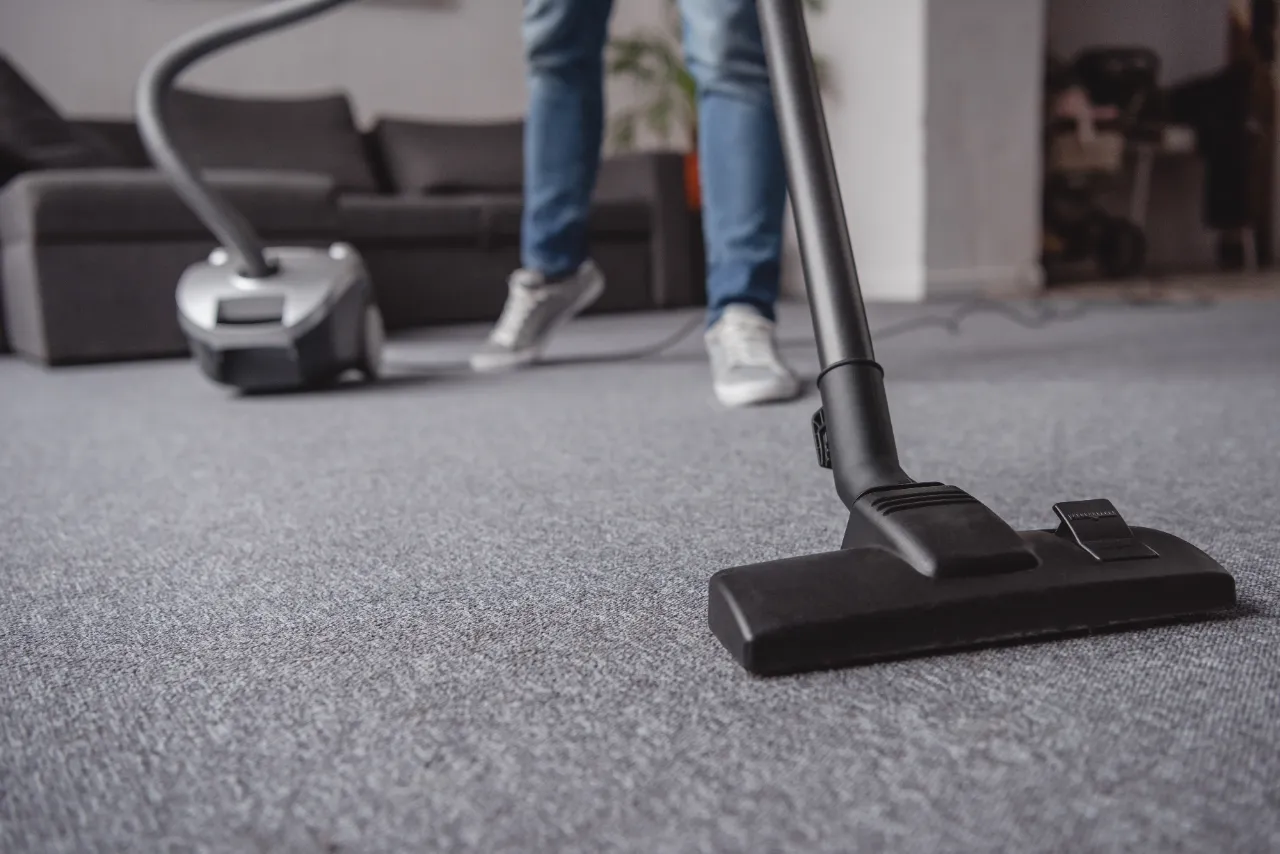
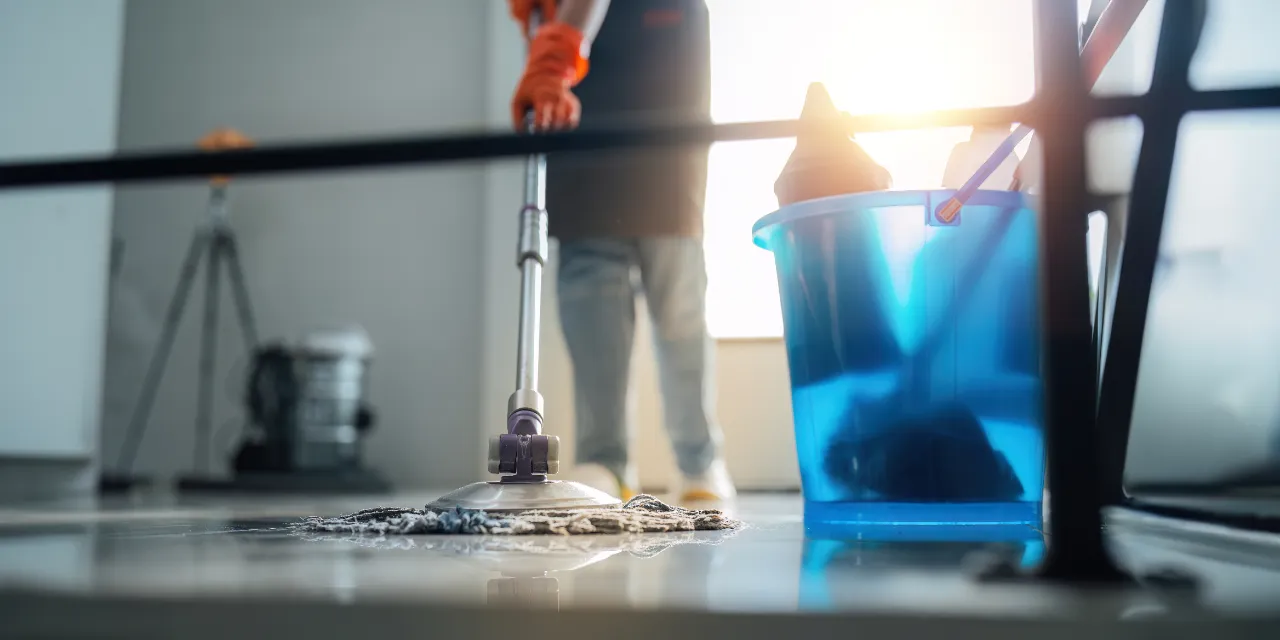
Salt is abrasive and it attracts moisture. On carpet, the crystals lodge between fibers and act like sandpaper under foot traffic, cutting the fiber rather than just soiling it. That damage is permanent, which is why traffic lanes stay dull even after cleaning. On hard floors, salt leaves a white residue that dries into a film, and the same crystals scratch finish on tile, vinyl, and sealed concrete. Regular mopping spreads the residue into a haze instead of removing it. The moisture side matters too, since salt holds dampness against the floor and works into grout lines and seams. Both effects compound across a New Jersey winter, and neither one reverses on its own once the season ends.
Where the Damage Starts in a Commercial Building
Damage is not evenly spread. The first fifteen to twenty feet past every entrance absorbs the majority of the salt and grit coming in, which is why those lanes wear years faster than the rest of the floor. In a storefront, that means the display area customers walk through first. In an office building it means the lobby, the elevator landing, and the corridor to the restrooms. Properties with loading docks have a second entry point that often gets ignored, since carts and pallet jacks carry salt deeper into the building than shoes do. Mapping those zones is the first step, because it tells you where matting, cleaning frequency, and deep cleaning budget actually need to go.
What Prevents Most of the Damage
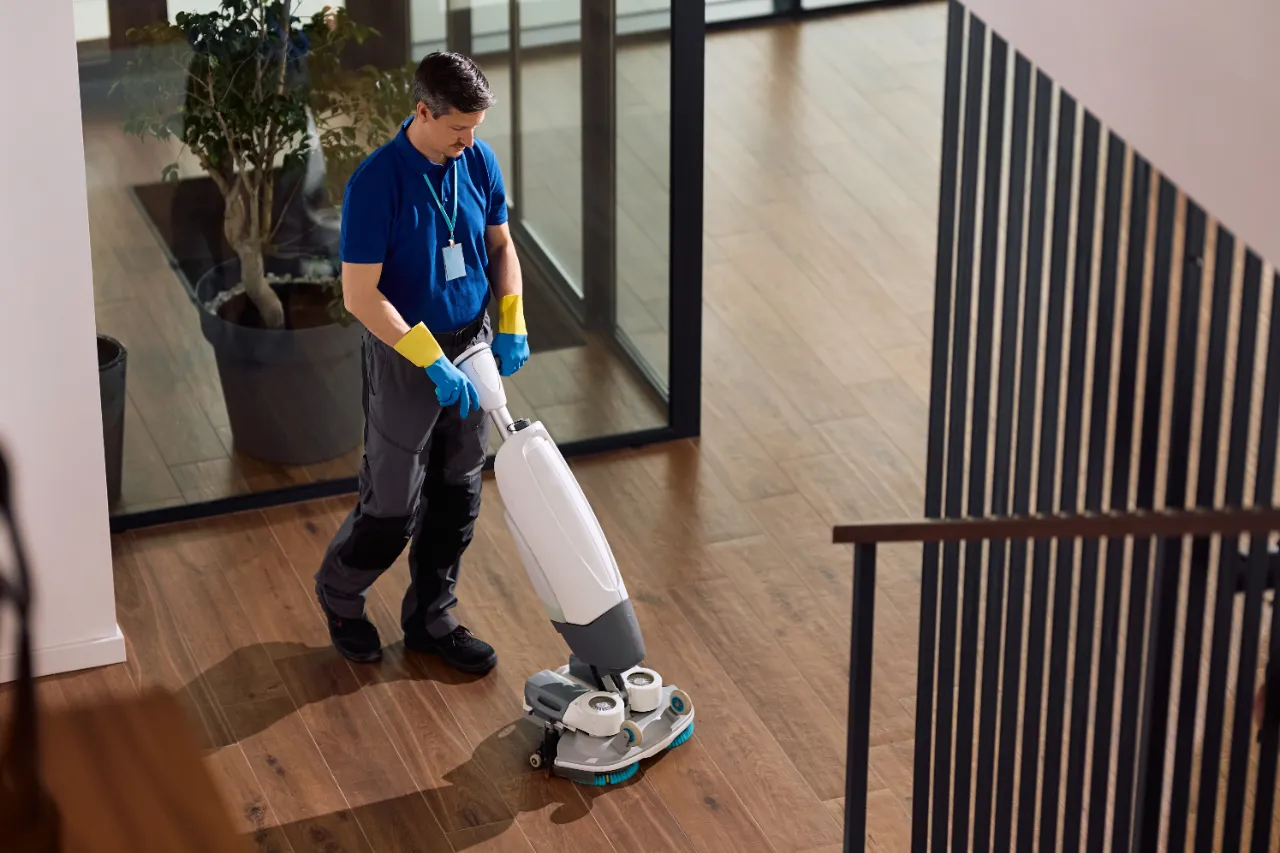
Three things do most of the work. Entry matting is the first, and it needs to be long enough for several footsteps, not a single mat at the door. Most commercial properties in New Jersey undersize this badly. Second is cleaning frequency during the season. Salt removed within a day or two never gets ground in, so increasing entry area cleaning from December through March costs less than repairing the result. Third is deep cleaning at the right time. Vacuuming lifts loose crystals, but embedded salt needs proper extraction or scrubbing to come out. None of this is complicated, but all three have to run together to matter.
When to Schedule Deep Cleaning After the Salt Season
The single most useful visit of the year is the one right after the last freeze, usually late March or early April in New Jersey. That is when everything tracked in over four months is still sitting in the fibers and the floor finish, and it is the last chance to remove it before spring foot traffic works it deeper. Entry lanes and corridors should be the priority, with the rest of the floor covered on the regular rotation. Properties with heavy exposure often add a mid-winter visit in January, which keeps the damage from accumulating for the full season. Either way, the schedule should be set before winter starts, not after somebody notices the floor looks bad.