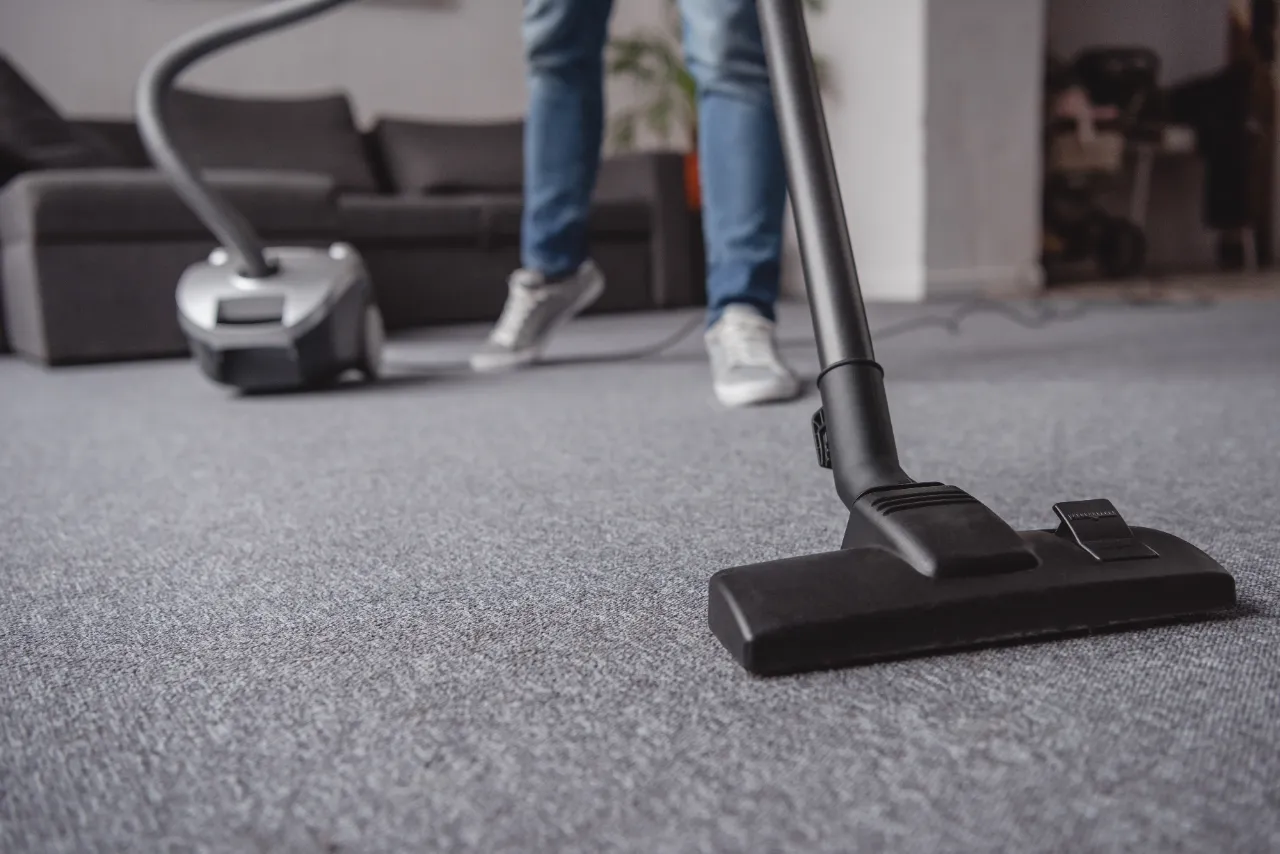
How Often Should an Office Be Cleaned in New Jersey?
This is the first question almost every office manager asks, and the honest answer is that there is no single number. How often an office should be cleaned in New Jersey depends on how many people use the space, how much of that use is concentrated in shared areas, and what kind of business walks through the door. A forty-person office with two restrooms and a shared kitchen generates a completely different load than a ten-person suite where half the staff works remotely most of the week. Cleaning companies that quote a frequency before seeing the space are guessing. What follows is the actual logic behind the decision: what drives frequency, what the common schedules look like in practice, how routine cleaning differs from deep cleaning, and the signs that tell you your current schedule is set wrong. None of it requires a consultant. It requires counting people and looking honestly at which areas take the most use.
What Actually Drives Cleaning Frequency
Headcount is the starting point, but it is not the whole answer. What matters more is how many people share the same restrooms, kitchen, and entry. Ten people sharing one restroom generate more cleaning demand per person than forty people spread across four. Client traffic is the second factor. An office that receives visitors all day needs the reception area and restrooms held to a higher standard than a back office nobody outside the company sees. Third is layout. Open plans concentrate wear into traffic lanes, while private offices distribute it. Hybrid schedules matter too, since a floor that fills Tuesday through Thursday and empties Friday does not need flat service across five days.
What the Common Schedules Look Like
In practice most New Jersey offices land in one of three patterns. Daily service fits high-headcount offices, client-facing practices, and any space where restrooms serve more than about twenty people. Three times weekly is the most common middle ground and works for offices between roughly fifteen and thirty people, usually with restrooms covered on the off days by staff. Weekly service fits small suites, low client traffic, and hybrid teams where the floor is genuinely empty part of the week. Whichever pattern applies, the schedule should be written into the scope with the task list attached, so nobody is guessing what happens on which day.
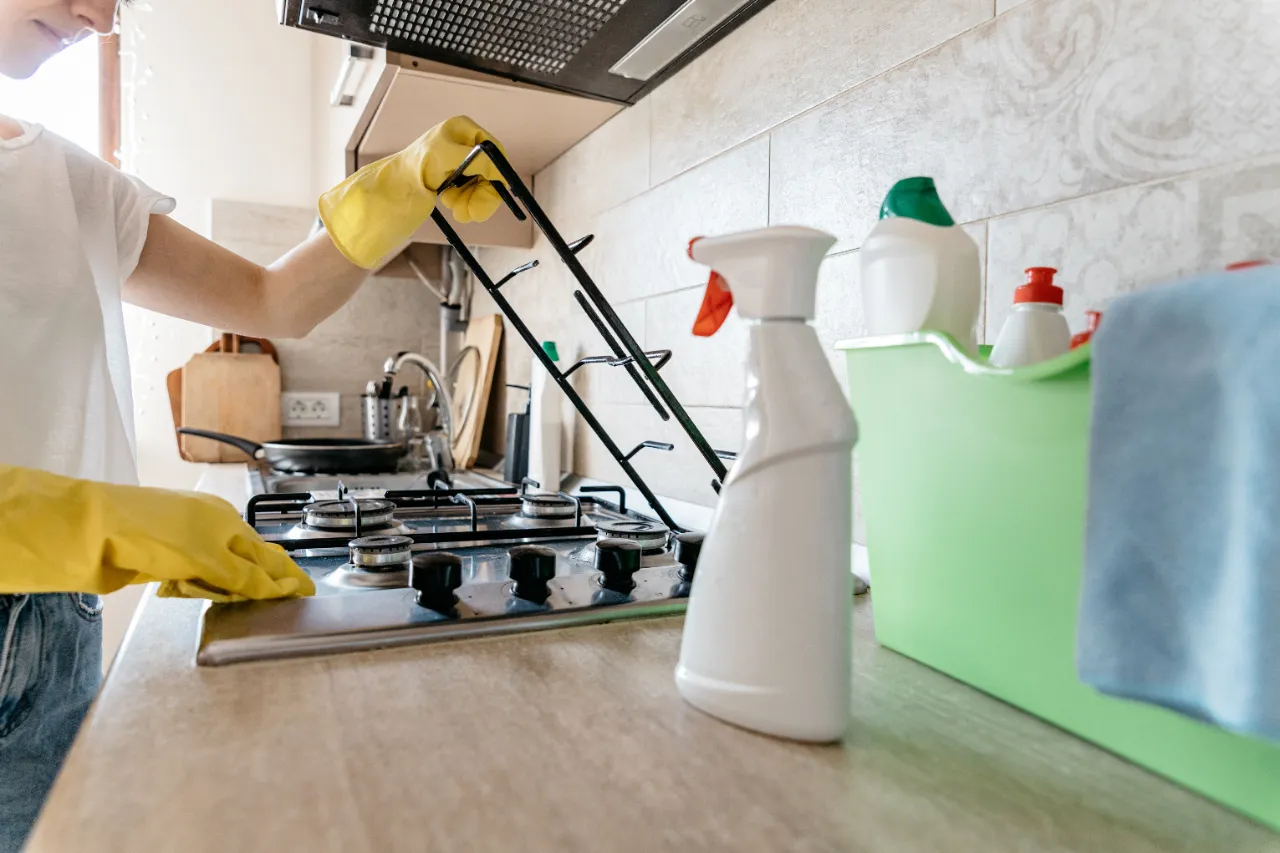
Routine Cleaning Versus Office Deep Cleaning
Frequency conversations usually confuse two different things. Routine office cleaning covers what gets dirty daily: trash, restrooms, desks, floors, kitchen surfaces, and touchpoints. Office deep cleaning covers what accumulates over months: carpet under desks, baseboards, vents, window sills, light fixtures, and the space behind fixed furniture. No routine schedule, however frequent, reaches those areas. Most offices need both, on different cycles. A weekly routine schedule with quarterly deep cleaning usually outperforms a three-times-weekly schedule with no deep cleaning at all, because the second option lets buildup accumulate in places nobody looks until it becomes obvious. The two cycles get budgeted together, not traded against each other.
Signs Your Current Schedule Is Wrong
There are a few reliable indicators. Restroom supplies running out between visits means the frequency is below the actual demand, not that people are wasteful. Carpet traffic lanes visibly darker than the surrounding area mean deep cleaning is overdue, not that routine cleaning is failing. Complaints concentrated in one area usually point to a scope problem rather than a frequency problem, since that area may not be in the task list at all. And if the office looks fine on cleaning days but rough by day three, the schedule needs another visit rather than a different vendor. Changing companies rarely fixes a frequency problem.