What Should Spring Deep Cleaning Cover in a New Jersey Commercial Property?
Spring cleaning sounds like a residential habit, but for commercial property in New Jersey it is the single most useful maintenance window of the year. Four months of road salt, grit, and closed-up air leave marks that routine service cannot reach, and the period between the last freeze and the start of pollen season is when removing them does the most good. Wait too long and spring pollen arrives on top of winter residue, which means cleaning both at once instead of one at a time. Spring deep cleaning for a commercial property in New Jersey is not about appearance for its own sake. It is about resetting the building to a baseline so the regular schedule has something to maintain. This article covers what belongs on the list, why the order matters, and how to time the work so it lands in the right window instead of a month on either side of it.
Start With Carpet and Hard Floors
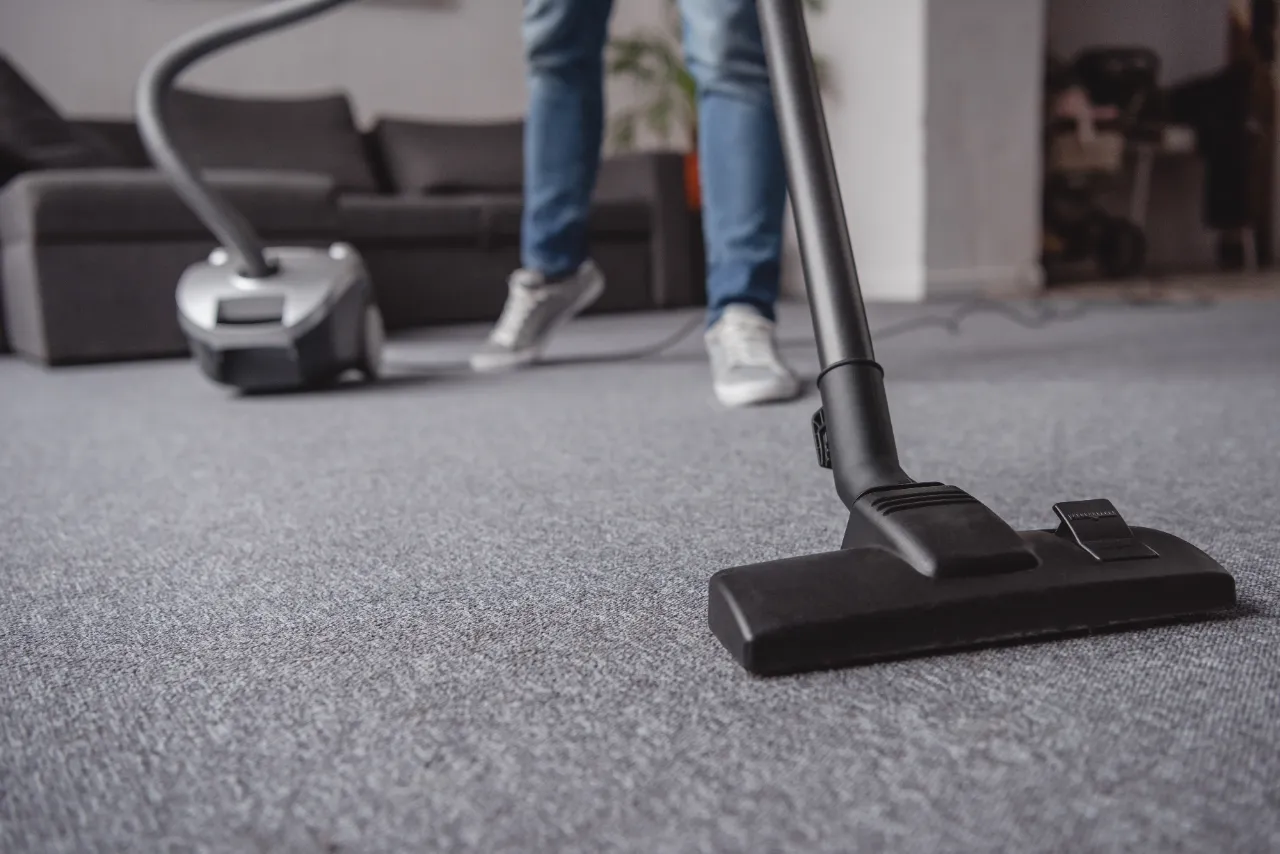
Flooring takes the worst of winter and should lead the list. Carpet holds salt crystals and grit worked deep into the fibers, and those need proper extraction rather than vacuuming to come out. Traffic lanes and the first twenty feet past every entrance are the priority, since that is where the damage concentrates. Hard floors need scrubbing and rinsing to remove the salt film that mopping spreads into a haze, plus edge and grout work where residue settles. Doing floors first also makes sense in sequence, because dust knocked loose during the rest of the deep cleaning ends up on the floor anyway and gets handled on the final pass.
Then Windows, Sills, and Entry Glass
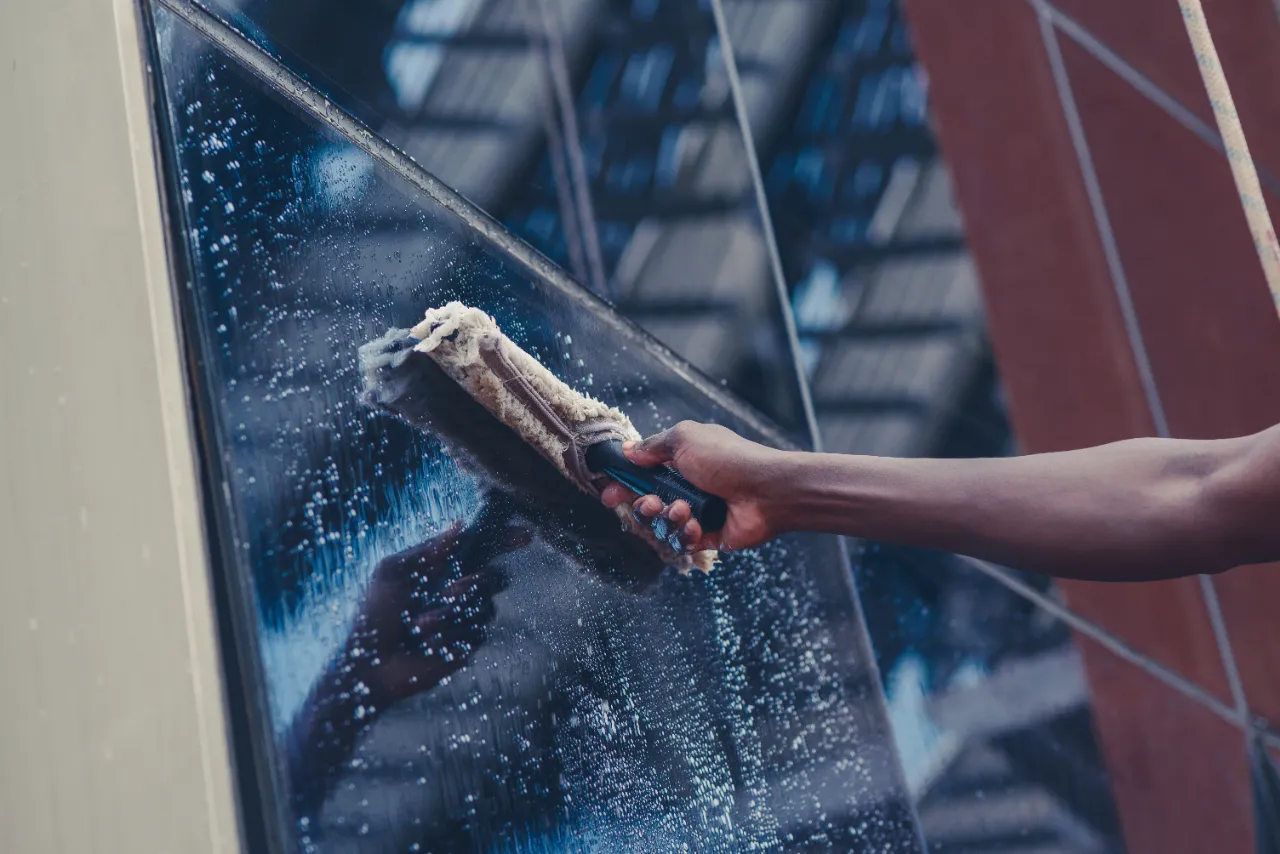
Winter leaves glass in bad shape. Road salt spray, hard water spotting, and general grime build up on exterior windows, and interior glass collects a film from months of closed ventilation. Sills and tracks hold debris that washes back over clean glass at the next rain, so those get cleared as part of the work rather than left. Spring is also when pollen starts, which means timing matters: glass cleaned in late March holds until the pollen peaks, while glass cleaned during peak pollen needs doing again. For customer-facing New Jersey properties, entry glass and display windows carry the most visible payoff.
Restrooms, Breakrooms, and Air Circulation Points
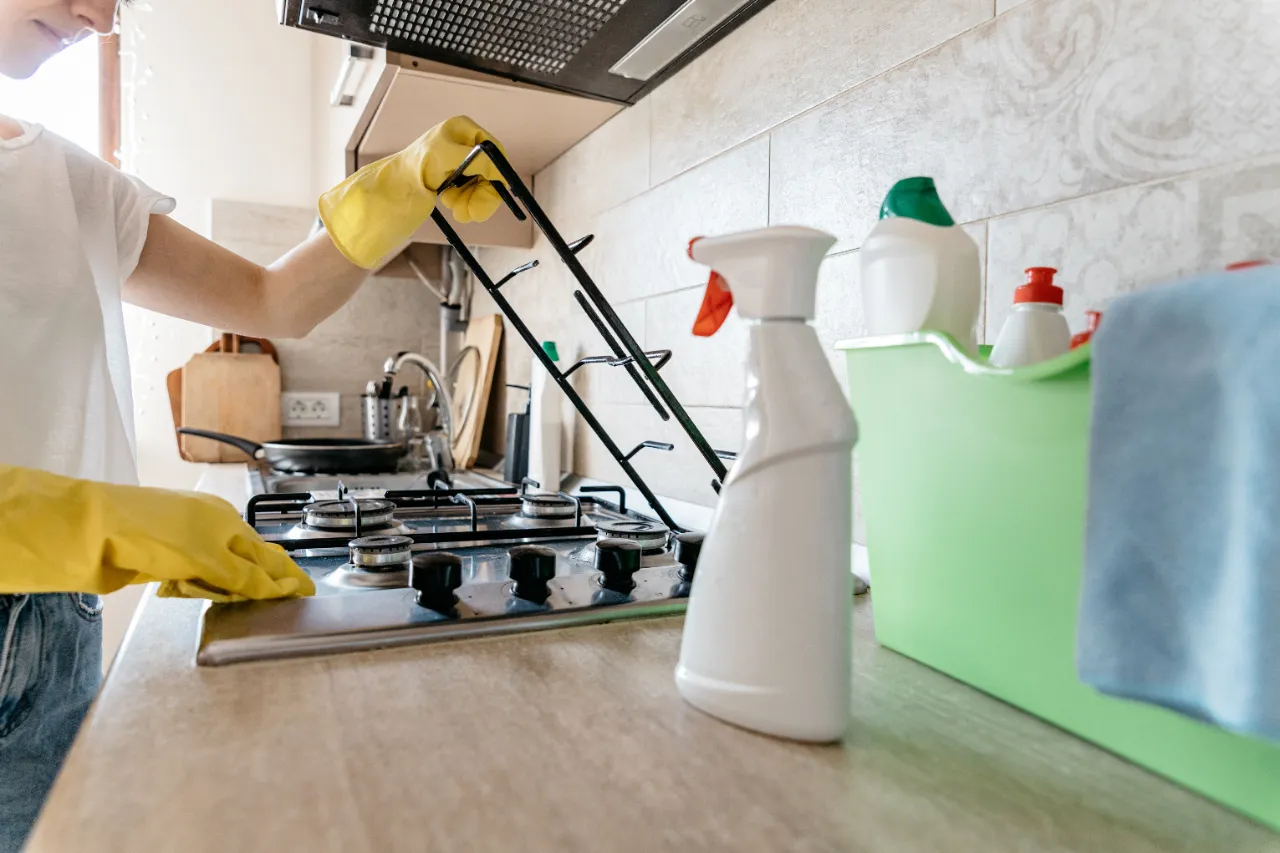
These areas need the parts of the work routine cleaning skips. Restroom grout, fixture bases, partitions, and the areas behind toilets and under sinks accumulate what daily service passes over. Breakroom appliances, cabinet exteriors, and the space behind the refrigerator fall in the same category. Vents, diffusers, and the sills near them collect dust through months of heating, and that dust circulates back into the space when the system switches over to cooling. None of these areas are visible enough to generate complaints, which is precisely why they get missed until an annual deep cleaning addresses them. Once a year is usually enough for this group of tasks.
How to Time and Schedule the Work
The window that matters is between the last freeze and the start of serious pollen, which in New Jersey usually means late March through April. Scheduling before that means salt is still coming in daily and the work gets undone. Scheduling later means paying to remove winter residue and spring pollen together. Book the walkthrough in February so the visit lands where it should, and expect the work to run outside business hours or across a weekend, since floors need drying time and the deeper tasks are disruptive. Properties that already have a recurring contract can usually fold this into the existing schedule as a scoped seasonal visit.